
Tackling the Oilfield Wastewater Challenge: Lessons from Global Innovators
Oilfield wastewater refers to wastewater generated during the extraction and refining of crude oil, which contains oil, salts, chemicals, and other pollutants. As global attention to environmental protection and sustainable development continues to increase, effectively treating oilfield wastewater has become an important issue for many countries. This article shares successful oilfield wastewater treatment case studies from around the world and explores the treatment methods used in different countries and regions, particularly focusing on Saudi Arabia and the United States.
1. Saudi Arabia: Advanced Oil-Water Separation Technology
As one of the world's largest oil producers, Saudi Arabia has very advanced oilfield wastewater treatment technologies. Saudi Aramco, the world's largest oil company, uses a variety of technologies, including traditional oil-water separation methods and emerging membrane filtration techniques.
Oil-Water Separation Technology:
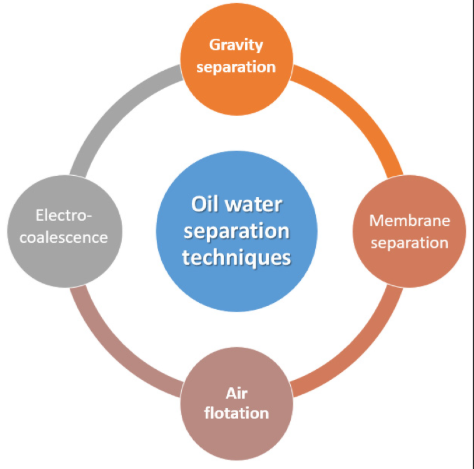
Saudi Aramco employs physical methods such as flotation and gravity sedimentation to separate oil and water. These methods are simple and cost-effective, making them suitable for treating large volumes of low-contaminant wastewater. In some oilfields in Saudi Arabia, water treated through this method is used for irrigation or even reinjected into the oilfield, reducing dependence on freshwater resources.
Membrane Filtration Technology:
With the advancement of technology, Saudi Aramco has also begun experimenting with more sophisticated membrane filtration technologies, such as reverse osmosis and ultrafiltration membranes. These membrane technologies can remove fine oil droplets, salts, and other dissolved substances, further purifying the wastewater. Membrane filtration is particularly effective in treating saline wastewater, which is a key concern in desert regions with limited water resources. These technologies help Saudi Arabia reduce reliance on external water sources.
Through these technologies, Saudi Aramco not only protects local water resources but also promotes sustainable development in the oil industry. Their success provides valuable reference points for other oil-producing nations.
2. United States: Innovative Practices in Wastewater Recycling and Reuse
As one of the largest oil consumers in the world, the United States has also taken many innovative measures in oilfield wastewater treatment and resource recovery. The U.S. focuses not only on purifying wastewater but also on its reuse to achieve the goal of a circular economy.
Wastewater Injection Technology:
In many U.S. oilfields, wastewater injection technology has been widely adopted. This technology involves injecting treated wastewater back into deep underground formations to increase oil recovery and maintain reservoir pressure. During this process, wastewater is typically subjected to thorough treatment, including desalting, oil-water separation, and removal of chemicals, to ensure that the water meets injection standards. This method not only prevents wastewater discharge but also enhances oil field recovery efficiency.
Water Recycling and Resource Circulation:
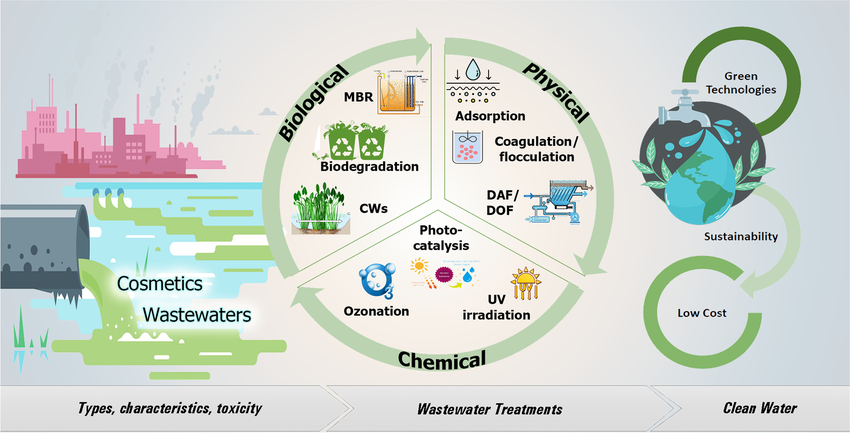
In regions such as Texas, some oilfields have adopted water recycling systems that treat and reuse oilfield wastewater multiple times. These treatment systems combine physical, chemical, and biological methods, such as flotation, chemical sedimentation, reverse osmosis, and anaerobic treatment. By using this combination of technologies, treated wastewater can be used for oilfield injection, agricultural irrigation, industrial cooling, and other applications, significantly conserving water resources.
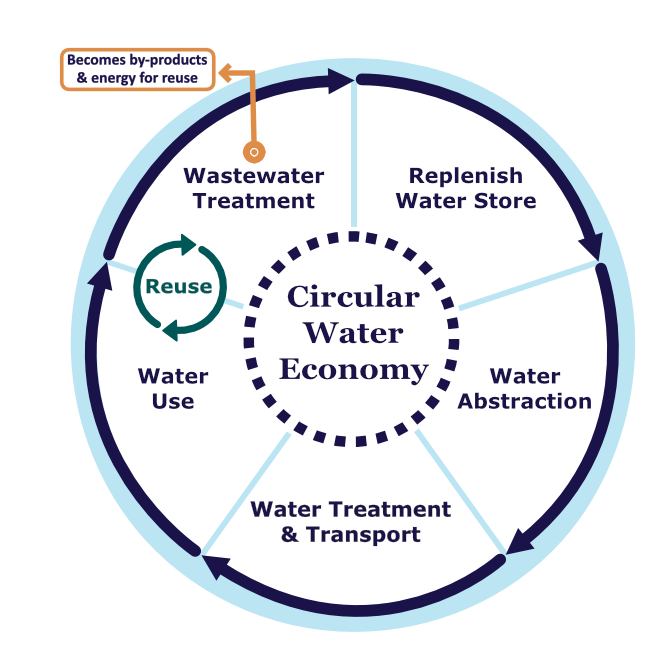
The success of the "water circulation" projects in Texas exemplifies the U.S.'s innovative practices in wastewater recycling and reuse. This approach has achieved significant environmental and economic benefits, providing a great model for sustainable oilfield wastewater management globally.
3. China: Green Chemical Treatment and Physicochemical Combined Technology
China has also made significant progress in oilfield wastewater treatment in recent years. Due to the complexity of pollutants in some domestic oilfields' wastewater, traditional physical methods are often insufficient to remove harmful substances completely. As a result, China's oilfield wastewater treatment often employs a combination of physicochemical treatment technologies.
Green Chemical Technology:
For example, green chemical technologies are used to treat petroleum pollutants in oilfield wastewater. By adding biodegradable agents, flocculants, and other chemicals, these methods promote the precipitation, degradation, and removal of oil contaminants. This approach not only effectively reduces the oil content in wastewater but also minimizes the toxic by-products that traditional chemical methods may produce.
Biological Treatment Technology:
In some oilfields, biological treatment technologies have been applied. These technologies use microorganisms to decompose organic pollutants in wastewater, reducing the pollutant concentration and toxicity of the water, thus avoiding the secondary pollution that may arise from traditional chemical treatments. This technology has been successfully applied in some oilfields in China.
4. Norway: Multi-Stage Deep Treatment and Energy Recovery
Norway is a global leader in energy clean transformation, and its oilfield wastewater treatment technologies reflect a strong commitment to sustainability. Norwegian oilfield wastewater treatment typically employs multi-stage deep treatment technologies, combining physical, chemical, and biological methods.
Multi-Stage Deep Treatment:
In some Norwegian oilfields, wastewater treatment employs advanced multi-stage deep treatment systems. These systems generally include oil-water separation, filtration, chemical sedimentation, flotation, and membrane separation, ensuring that oil, solid particles, and harmful chemicals are effectively removed from the wastewater. Through this combined technology, treated wastewater can meet high purification standards, with some wastewater even being discharged into the environment safely.
Energy Recovery:
In some highly efficient oilfield wastewater treatment plants, Norway also recovers energy from the wastewater treatment process. For example, the heat energy released during wastewater treatment can be used to heat other production processes or even generate electricity. This not only improves energy utilization efficiency but also reduces the carbon footprint of the entire wastewater treatment process.
Conclusion
From Saudi Arabia's oil-water separation technology to the United States' wastewater recycling and reuse practices, and Norway's deep treatment with energy recovery, each country has unique successful experiences in oilfield wastewater treatment. Whether using traditional physical and chemical methods or applying advanced membrane filtration and biological degradation technologies, global oilfield wastewater treatment technologies are continuously evolving and improving.
These successful cases not only provide valuable insights for other oil-producing nations but also demonstrate that wastewater treatment and resource recovery are key to the sustainable development of oilfields. In the future, as technology continues to advance and environmental awareness grows, oilfield wastewater treatment technologies are expected to make further breakthroughs, pushing the oil industry toward more environmentally friendly and green practices.

